
Bwindi Impenetrable National Park
Home to nearly half of the world’s mountain gorillas, offering an unforgettable gorilla trekking experience
Park at a Glance
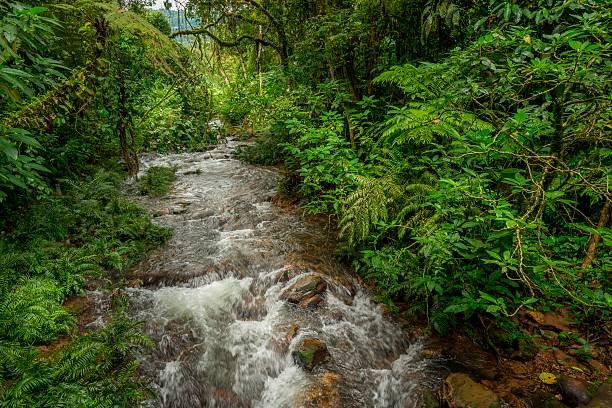
Bwindi Impenetrable National Park (BINP) covers an area of 321km² between 1160m and 2607m above sea level in Southwestern Uganda.
Bwindi was gazetted as a National Park in 1991 and declared a UNESCO World Heritage site in 1994. The forest contains one of the richest ecosystems in Africa and is inhabited by 120 mammal species including several primates.
Bwindi was gazetted as a National Park in 1991 and declared a UNESCO World Heritage site in 1994. The forest contains one of the richest ecosystems in Africa and is inhabited by 120 mammal species including several primates.
321 km²
Total Area
480+
Mountain Gorillas
350+
Bird Species
1991
Established
Wildlife
Mountain Gorillas
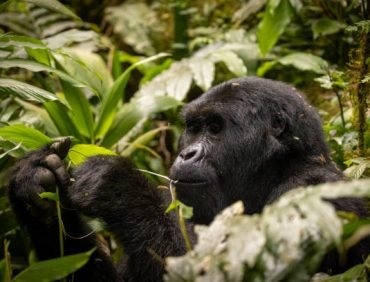
Nearly half of the world’s mountain gorillas with 18 habituated families
L'Hoest Monkeys
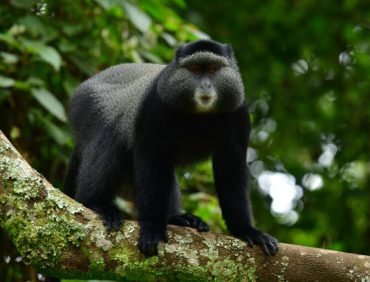
Distinctive white-bearded monkeys endemic to the Albertine Rift
Red-tailed Monkeys
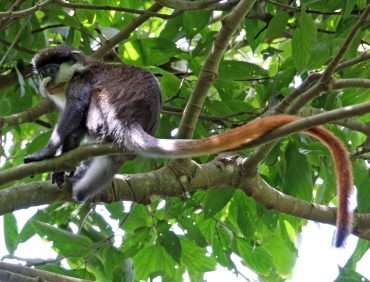
Agile primates with distinctive red tails swinging through the canopy
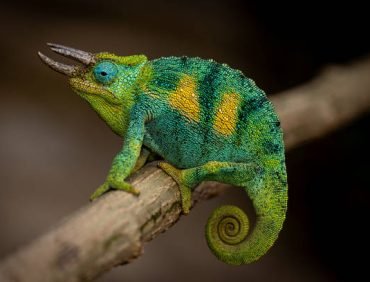
Three-Horned Chameleon
Spot the real-life ‘mini-Triceratops’ of Bwindi: the elusive, three-horned chameleon!
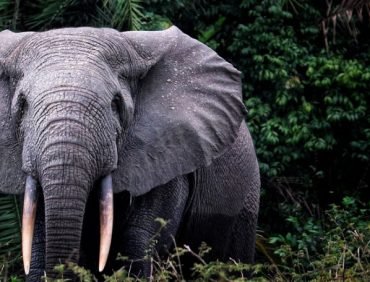
Forest Elephants
Smaller forest elephants that occasionally visit the park boundaries
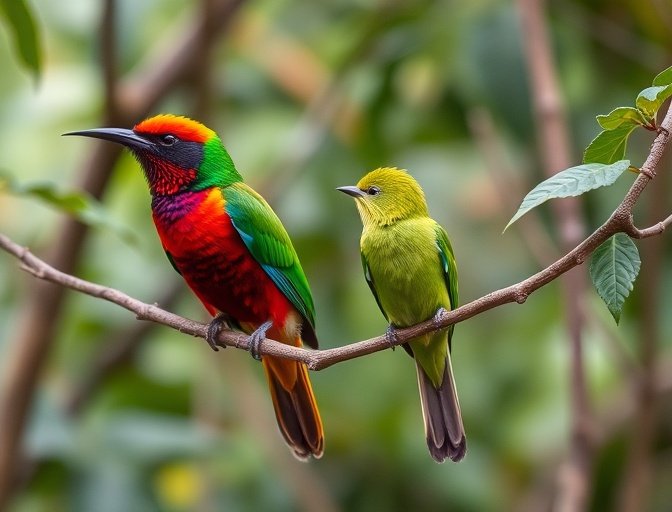
Over 350 Bird Species
Including 23 Albertine Rift endemics like Shelley’s crimson wing
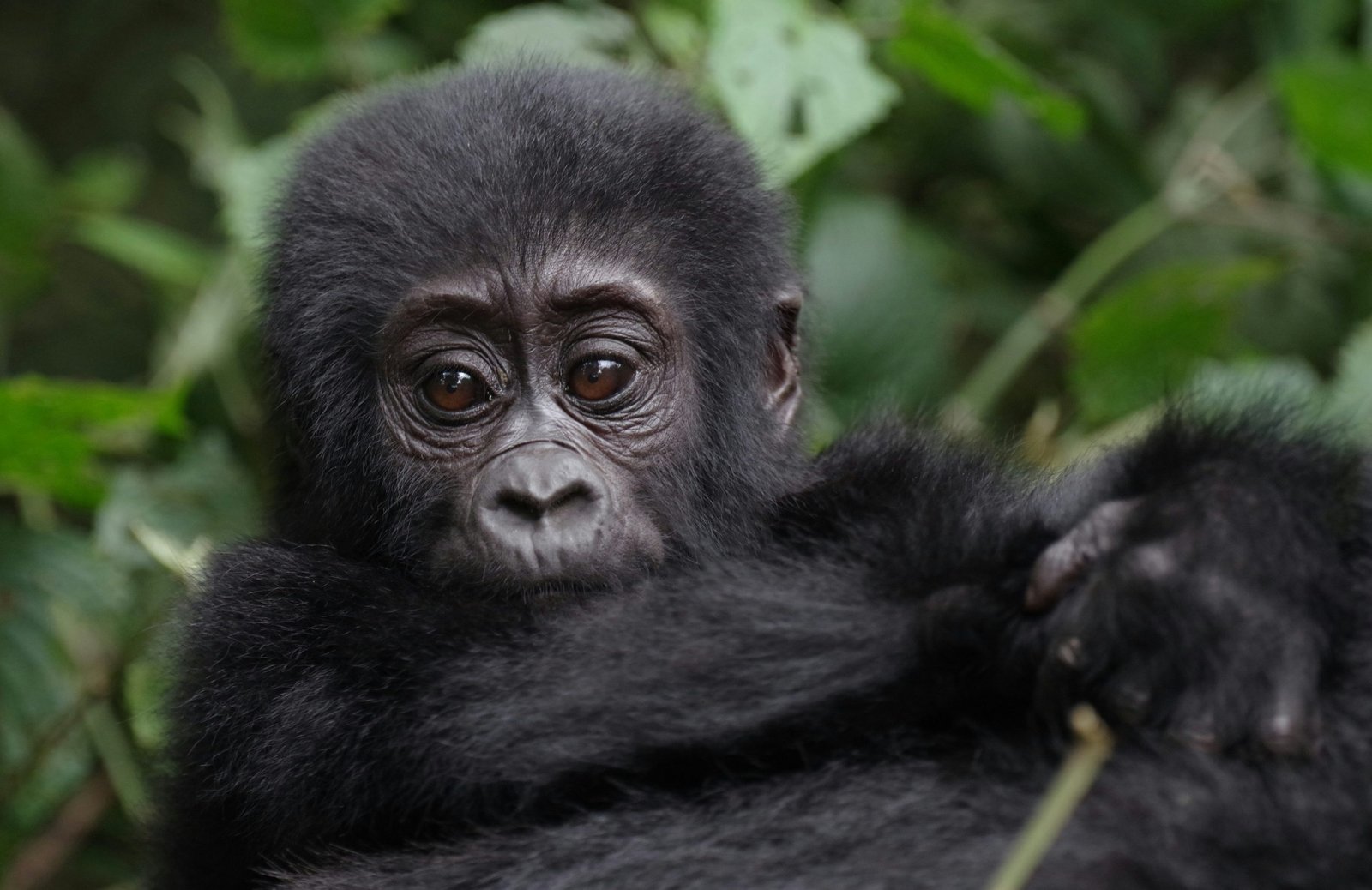
Mountain Gorillas
Nearly half of the world’s mountain gorillas with 18 habituated families
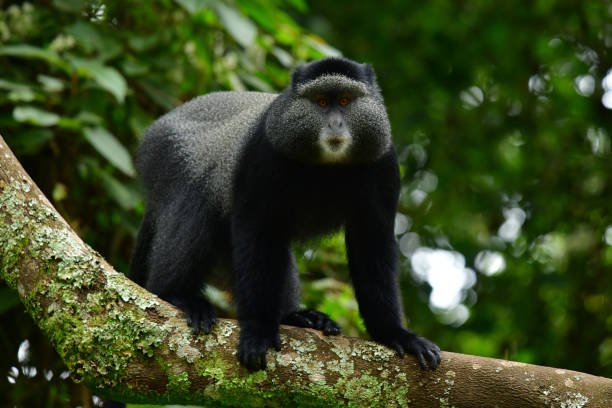
L'Hoest Monkeys
Distinctive white-bearded monkeys endemic to the Albertine Rift
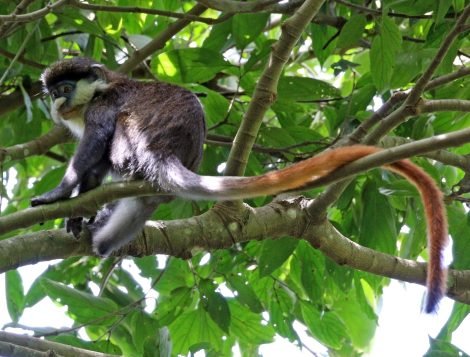
Red-tailed Monkeys
Agile primates with distinctive red tails swinging through the canopy
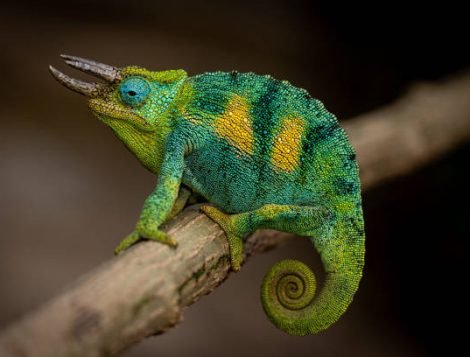
Three-Horned Chameleon
Spot the real-life ‘mini-Triceratops’ of Bwindi: the elusive, three-horned chameleon!
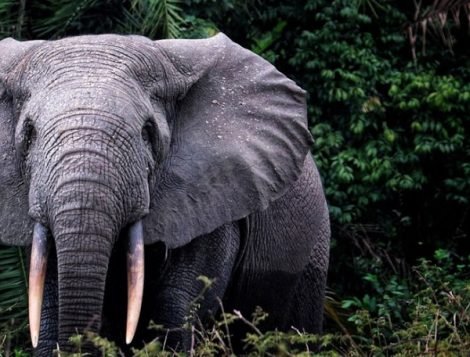
Forest Elephants
Smaller forest elephants that occasionally visit the park boundaries
Over 350 Bird Species
Including 23 Albertine Rift endemics like Shelley’s crimson wing
Park Sectors
Buhoma
The most developed sector with better road access and accommodation options
- Main entrance
- Best infrastructure
- Most accommodation options
Ruhija
Higher altitude sector offering excellent bird watching
opportunities
opportunities
- Bird watching
- Scenic views
- Research station
Rushaga
Southern sector with multiple gorilla families and cultural experiences
- Most gorilla families
- Batwa cultural trail
- Community tourism
Nkuringo
Scenic sector with dramatic landscapes and community
projects
projects
- Scenic location
- Community projects
- Hiking trails
Buhoma
The most developed sector with better road access and accommodation options
- Main entrance
- Best infrastructure
- Most accommodation options
Ruhija
Higher altitude sector offering excellent bird watching
opportunities
opportunities
- Bird watching
- Scenic views
- Research station
Rushaga
Southern sector with multiple gorilla families and cultural experiences
- Most gorilla families
- Batwa cultural trail
- Community tourism
Nkuringo
Scenic sector with dramatic landscapes and community
projects
projects
- Scenic location
- Community projects
- Hiking trails
Activities & Attractions
Mountain Gorilla Tracking
Track endangered mountain gorillas in their natural habitat. An unforgettable experience with these gentle giants in 18 habituated families.
- Duration: 2-8 hours
Nature Walks
Guided forest walks to explore the diverse ecosystem, waterfalls, and scenic viewpoints of the impenetrable forest with expert guides.
- Duration: 2-4 hours
Batwa Cultural Experience
Learn about the traditional lifestyle of the Batwa people, the original inhabitants of the forest, through cultural performances and demonstrations.
- Duration: 3-4 hours
Community Walks
Visit local communities around Bwindi and learn about traditional farming, local customs, and conservation efforts by local people.
- Duration: 2-3 hours
Bird Watching
Spot over 350 bird species including 23 Albertine Rift endemics in the diverse forest habitats with specialized birding guides.
- Duration: 3-6 hours
- Period: Early morning sessions
Forest Research Walks
Educational walks focusing on forest ecology, conservation research, and the unique biodiversity of this UNESCO World Heritage site.
- Duration: 2-4 hours
- Targets: Research station visits
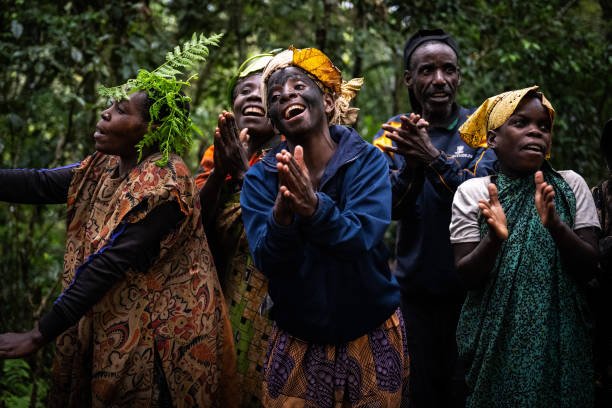
Local People
The Bwindi area is home to the Bakiga, a farming community and also the Batwa, the original forest dwellers. The Batwa are Uganda’s indigenous people who lived as hunter-gatherers south of Bwindi.
Traditionally the interior of Bwindi was home to the Twa (Batwa) hunter-gatherers who now reside on the edge of the forest. Community walks through local villages around Buhoma and Nkuringo provide insights into the lives of the local Bakiga people.
Traditionally the interior of Bwindi was home to the Twa (Batwa) hunter-gatherers who now reside on the edge of the forest. Community walks through local villages around Buhoma and Nkuringo provide insights into the lives of the local Bakiga people.
Accommodation
Various accommodation options from luxury lodges to budget-friendly facilities
High-End Lodges
- • Mahogany Springs
- • Bwindi Lodge
Exclusive retreats with bespoke service and breathtaking experience.
Luxury Lodges
- • Sanctuary Gorilla Forest Lodge
- • Buhoma Lodge
- • Clouds Mountain Gorilla Lodge
- • Nkuringo Bwindi Gorilla Lodge
High end facilities with crater lake views and premium forest locations.
Mid-Range Lodges
- • Silverback Lodge
- • Gorilla Mist Camp
- • Bwindi View Bandas
- • Rushaga Gorilla Camp
- • Mahogany Springs
- • Lake Ntanda Lodge
- • Aven Lodge
Comfortable accommodations with good access to park activities.
Budget Options
- • Buhoma Community Bandas
- • Ruhija Community Rest Camp
- • Broadbill Forest Camp
- • Wagtail Eco Safari Camp
- • Gorilla Valley Lodge
Affordable options including community run facilities and camping.
Access
Roads
The main trailhead at Buhoma is about 500 km from Kampala and can be reached by road from several directions. The most direct route from Kampala follows the Masaka-Mbarara highway (10 – 11 hours).
Air
Charter flights scheduled everyday, in the morning, mid-morning, and afternoon in Kisoro.
Disclaimer: Sometimes there are no afternoon flights because of the weather conditions and rain.
Disclaimer: Sometimes there are no afternoon flights because of the weather conditions and rain.
Climate & When to Visit
Temperature
The forest can be cold especially in the mornings and at night. Annual average temperature range is 7°C – 20°C. Warm clothing and rain gear is essential since Bwindi receives 1400-1900mm of rain per year.
Best Time
Gorilla tracking is available year-round, though dry seasons (June-September and December-February) offer easy trekking conditions.
Gorilla Tracking Rules
- Minimum age is 15 years
- Maximum of 8 visitors per gorilla family per day
- Keep 7 meters distance from gorillas
- Maximum 1 hour with the gorillas
- No flash photography allowed
- No smoking, eating or drinking near gorillas
- Visitors with colds cannot participate
- Permits must be booked in advance
Ready to Track Mountain Gorillas in Bwindi?
Book your gorilla trekking adventure and experience these incredible creatures in their natural habitat