A compact wildlife haven offering unique safari experiences including walking safaris, boat cruises, horseback riding, and mountain biking across acacia woodlands and serene lakes.
Park at a Glance
Lake Mburo National Park is a small but exceptionally diverse wilderness known for its acacia woodlands, tranquil lakes, and activity-rich safaris.
Its strategic location and unique wildlife make it a perfect stopover between Kampala and Uganda’s western circuits.
260 km²
Park Area
69+
Mammal Species
332+
Bird Species
1983
Year Gazetted
Wildlife
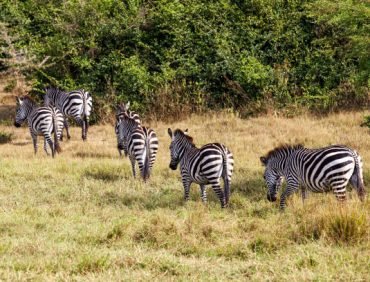
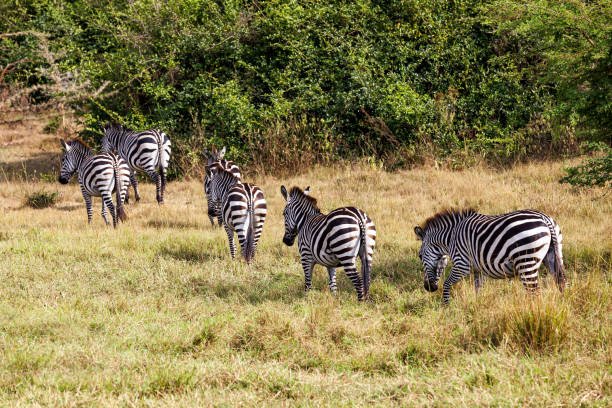
Zebras
The only park in western Uganda with large zebra populations.
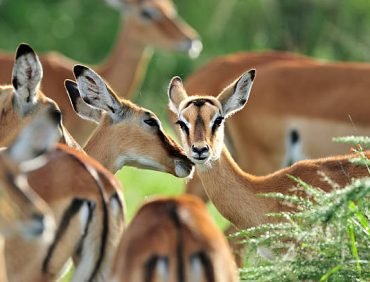
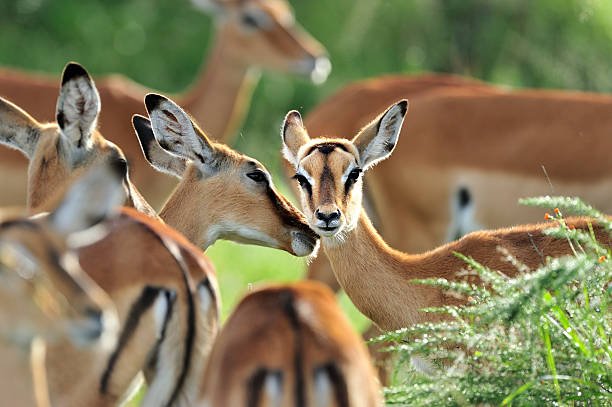
Impalas
Exclusive to Lake Mburo—found nowhere else in Uganda.
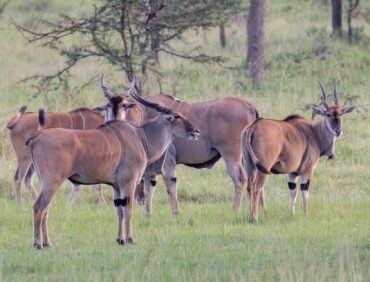
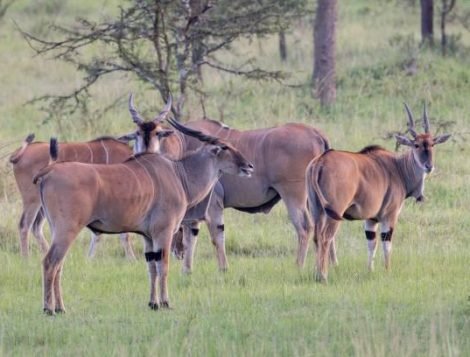
Elands
Africa’s largest antelope, commonly seen in open savanna.
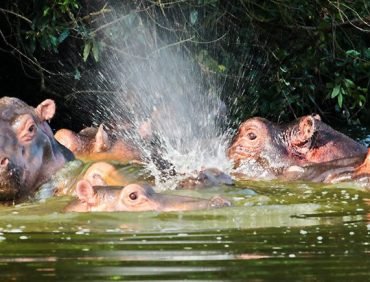
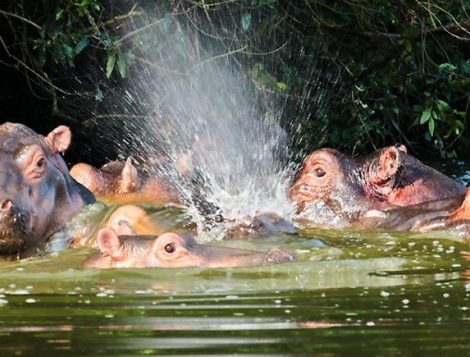
Hippos & Crocodiles
Abundant along the park’s lakes and shores.
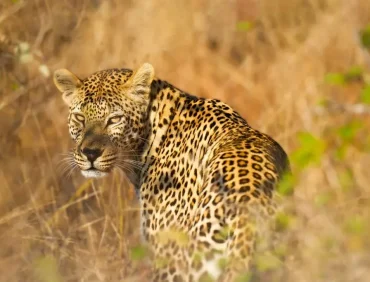
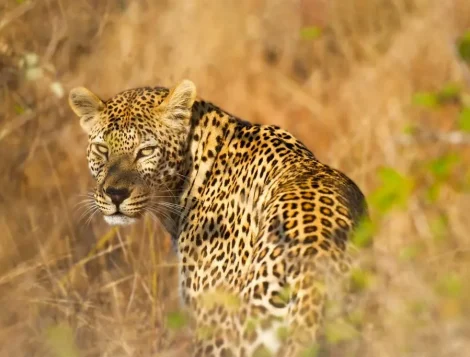
Leopards & Hyenas
Often spotted on night drives and early mornings.
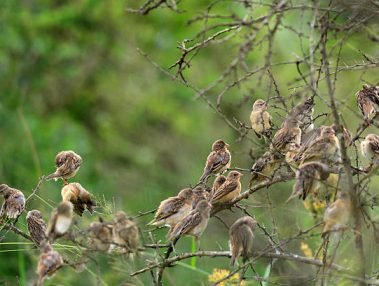
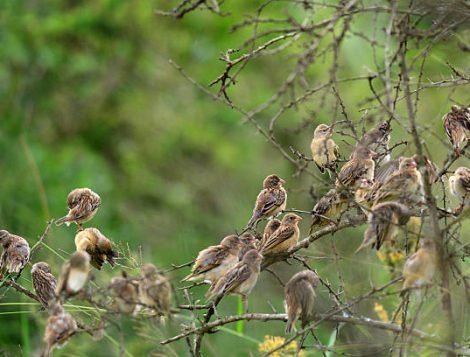
Acacia & Wetland Birds
Includes shoebill, fish eagles, finfoot, papyrus specialists, and 300+ recorded species.
Zebras
The only park in western Uganda with large zebra populations.
Impalas
Exclusive to Lake Mburo—found nowhere else in Uganda.
Elands
Africa’s largest antelope, commonly seen in open savanna.
Hippos & Crocodiles
Abundant along the park’s lakes and shores.
Leopards & Hyenas
Often spotted on night drives and early mornings.
Acacia & Wetland Birds
Includes shoebill, fish eagles, finfoot, papyrus specialists, and 300+ recorded species.
Habitats of Lake Mburo
Acacia Woodlands
.Lightly wooded plains supporting zebras, impalas, topi, and a rich diversity of acacia birds.
Lakes & Wetlands
Papyrus-lined shores home to hippos, crocodiles, finfoot, and wetland specialties.
Rocky Outcrops & Hills
Scenic ridges offering sweeping views of the park’s five lakes and open savanna.
Activities & Attractions
Boat Cruise on Lake Mburo
Enjoy close sightings of hippos, crocodiles, fish eagles, and rare birds along the lake’s eastern shores.
Duration: 2 hours
Game Drives
Explore acacia woodlands and savanna tracks rich with zebras, impalas, topi, and eland.
Duration: 2-3 hours
Night Game Drive
Look for leopards, hyenas, bushbabys, and other nocturnal species with a ranger guide.
Duration: 1.5-2 hours
Horseback Safaris
Ride through open plains for a unique, quiet, and immersive wildlife experience.
Duration: 1-2 hours
Mountain Biking
Cycle through designated trails near Nshara Gate and Rwakobo Rock.
Duration: 1-2 hours
Salt Lick Walk
Educational walks focusing on forest ecology, conservation research, and the unique biodiversity of this UNESCO World Heritage site.
Duration: 1-1.5 hours
Local People
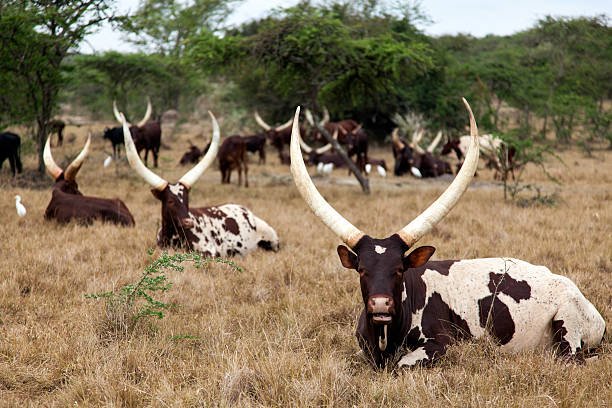
The area surrounding Lake Mburo is home to the Banyankole, a community renowned for their longhorn Ankole cattle and deep pastoral traditions.
Visitors can explore traditional homesteads, learn about cattle keeping, milk processing, and the Bahima way of life, gaining insights into one of Uganda’s most iconic cultural identities.
Accommodation
Various accommodation options from luxury lodges to budget-friendly facilities
Luxury Lodges
• Lake Mburo Safari Lodge
• Mihingo Lodge (exclusive hilltop location)
High end facilities with crater lake views and premium forest locations.
Mid-Range Lodges
• Arcadia Cottages
• Leopard Tail Rest Camp
• Rwakobo Rock (near the gate)
Comfortable accommodations with good access to park activities.
Budget Options
• UWA Bandas (Rwonyo Rest Camp)
• Standing tents & basic campsite
• Campsite near the lakeshore
Affordable options including community run facilities and camping.
Access
Roads
Lake Mburo lies along the Kampala–Masaka–Mbarara highway, about 228 km from Kampala (3.5 hours). The park is accessible via Sanga, Nshara, and Kyanyanshara gates depending on your lodge location.
Air
Domestic flights can be arranged to Mbarara Airfield, followed by a short road transfer to the park.
Climate & When to Visit
Temperature
Temperatures range between 21°C – 34°C, with July–August being the hottest. Average annual rainfall is around 800 mm, with the heaviest rains occurring in April and November.
Best Time
Lake Mburo can be visited year-round, but wildlife viewing is best during the dry seasons of June–September and December–February.
Important Information
Boat cruises require prior booking
Night game drives must be done with a ranger
Walking safaris are allowed only in designated areas
Lake Mburo is one of Uganda’s few parks without elephants—making it ideal for walking experiences
Ready to Explore Lake Mburo?
Plan your journey into Uganda’s most activity-rich savanna park.