
Rwenzori Mountains National Park
A legendary world of snow-capped peaks, mystical valleys, and rare alpine vegetation, offering one of Africa’s most extraordinary mountain trekking adventures.
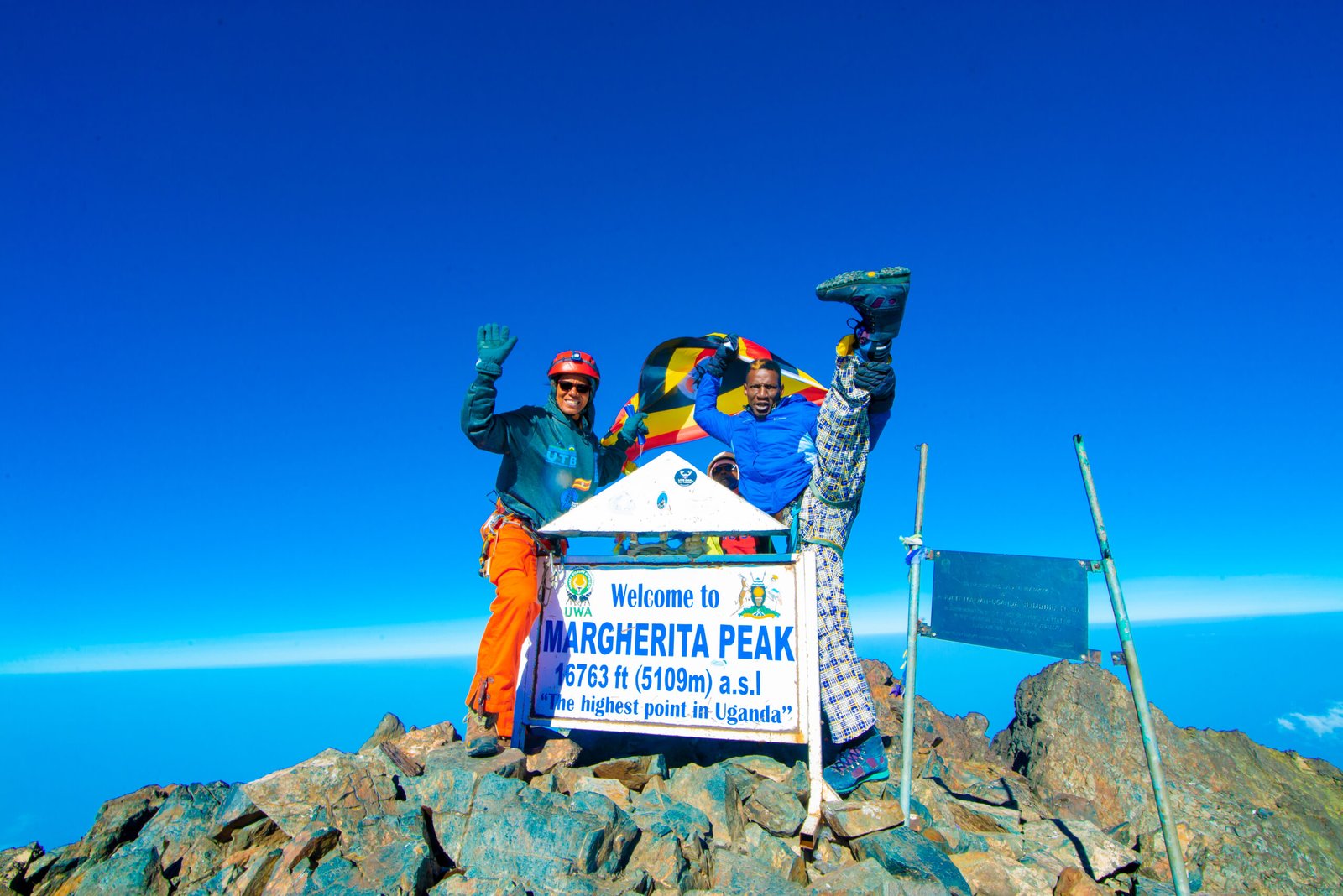
Park at a Glance
Rwenzori Mountains National Park protects Africa’s highest non-volcanic mountain range, famed for its glaciers, dramatic peaks, and unique afro-alpine vegetation.
This UNESCO World Heritage Site offers an unmatched trekking experience through diverse vegetation zones, misty forests, and rugged mountain landscapes.
This UNESCO World Heritage Site offers an unmatched trekking experience through diverse vegetation zones, misty forests, and rugged mountain landscapes.
995 km²
Park Area
5,109 m
Highest Peak
217+
Bird Species
1991
Year Gazetted
Wildlife & Vegetation Zones
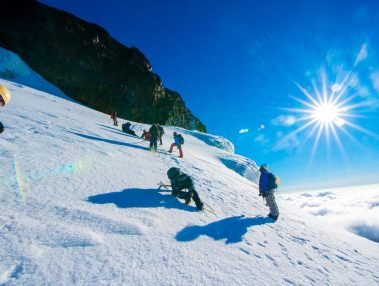
High-Altitude Glacial Zone
Above the afro-alpine belt lies the icy glacial zone, with permanent snow, exposed rock, and dramatic ice slopes — a harsh but spectacular environment.
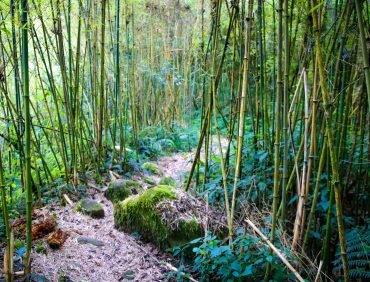
Bamboo & Heather Zone
A transition area known for bamboo thickets, heather trees, and unique chameleons and bird species.
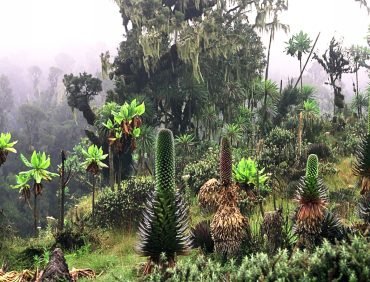
Afro-Alpine Moorland
Defined by giant lobelias, groundsels, lakes, and moss-covered ridges — one of the most unique ecosystems in Africa.
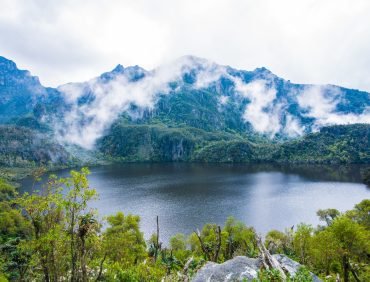
High Glacial Peaks
Snowfields, rocky ascents, and spectacular views surrounding Mount Stanley, Speke, Baker, and other towering summits.
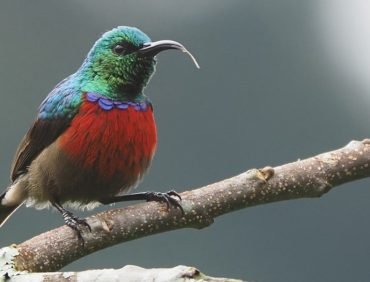
Birdlife
Includes Rwenzori batis, Rwenzori double-collared sunbird, handsome francolin, and the endangered lammergeyer.
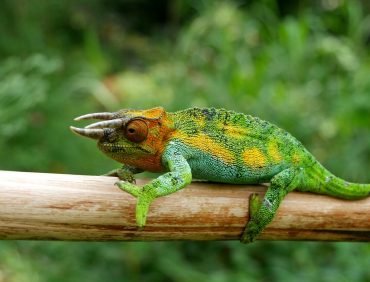
Chameleons
Several unique chameleon species, including the striking three-horned chameleon found along the lower forest zones.
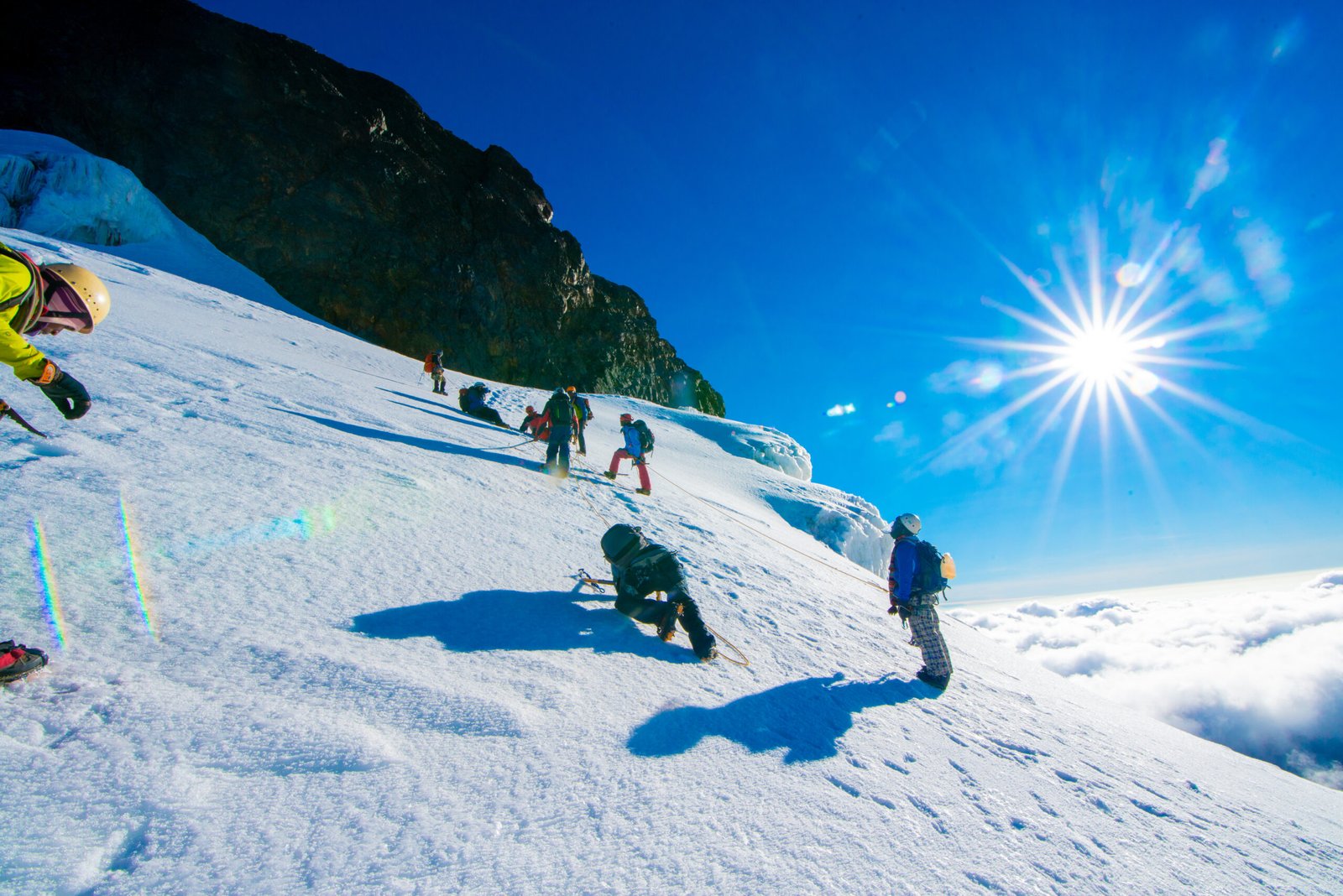
High-Altitude Glacial Zone
Above the afro-alpine belt lies the icy glacial zone, with permanent snow, exposed rock, and dramatic ice slopes — a harsh but spectacular environment.
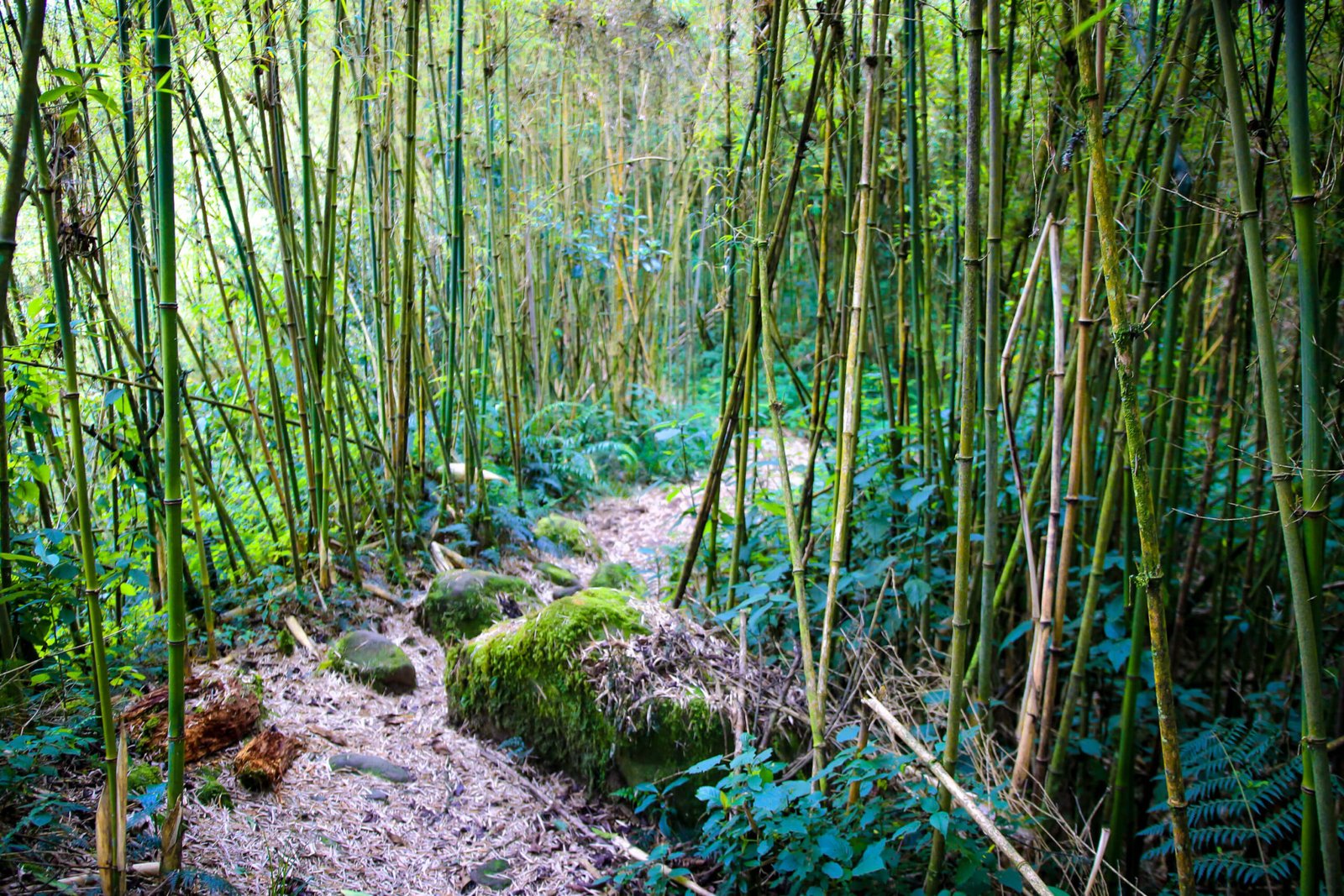
Bamboo & Heather Zone
A transition area known for bamboo thickets, heather trees, and unique chameleons and bird species.
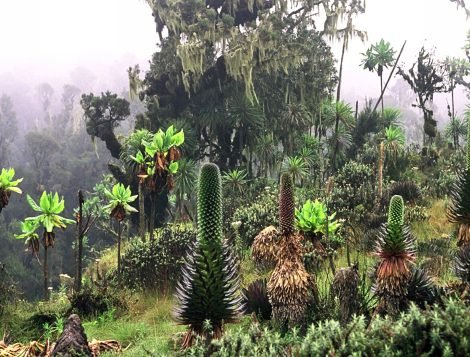
Afro-Alpine Moorland
Defined by giant lobelias, groundsels, lakes, and moss-covered ridges — one of the most unique ecosystems in Africa.
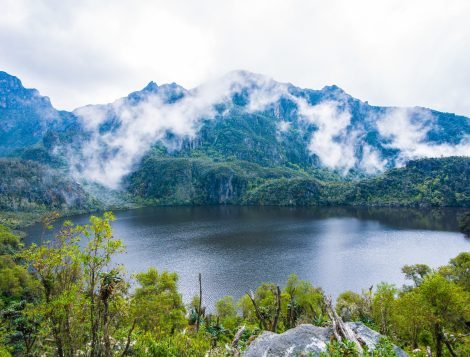
High Glacial Peaks
Snowfields, rocky ascents, and spectacular views surrounding Mount Stanley, Speke, Baker, and other towering summits.
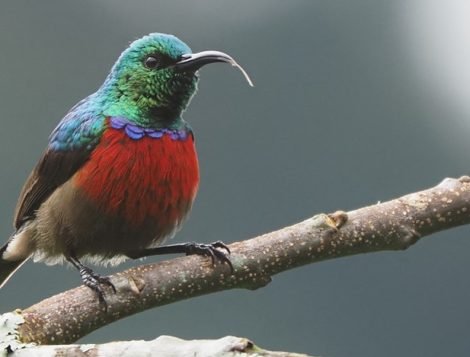
Birdlife
Includes Rwenzori batis, Rwenzori double-collared sunbird, handsome francolin, and the endangered lammergeyer.
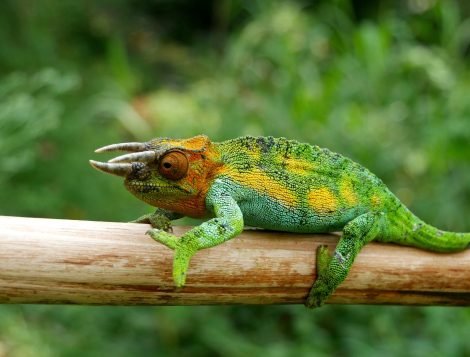
Chameleons
Several unique chameleon species, including the striking three-horned chameleon found along the lower forest zones.
Mountain Zones of the Rwenzori
Lower Montane Forest
This densely vegetated zone forms the base of most treks, offering rich forest scenery, waterfalls, and abundant birdlife.
Bamboo & Heather Belt
A scenic mid-altitude section where the forest opens into bamboo slopes and heather trees draped in moss and lichens.
Afro-Alpine Zone
Known for its surreal beauty, this zone features dramatic valleys, glaciers, alpine lakes, and the iconic giant lobelia species.
Activities & Attractions
Mountain Trekking
Multi-day trekking routes that traverse diverse vegetation zones and ascend towards the snow peaks.
- Duration: 6–9 days depending on the trail and summit target.
Peak Climbing
A technical climb requiring ropes, crampons, and glacier equipment. Best for experienced climbers seeking a challenging ascent.
- Duration: 7–9 days
Hiking to Lake Mahoma
A scenic short trek through bamboo and heather zones leading to one of the park’s most beautiful high-altitude lakes.
- Duration: 2 days
Kazingo Trail
A full-day hike along ridges with sweeping views towards the Semuliki Valley and the western escarpment.
- Duration: 6–8 hours
Forest Walks & Birding
Lower forest walks offer chances to spot forest birds, primates, chameleons, and waterfalls near the trailheads.
- Duration: 1.5–3 hours
Cultural Encounters with the Bakonzo
Visit nearby Bakonzo communities to learn about their mountain traditions, music, farming practices, and the deep spiritual significance they place on the Rwenzori peaks.
- Duration: 1–2 hours
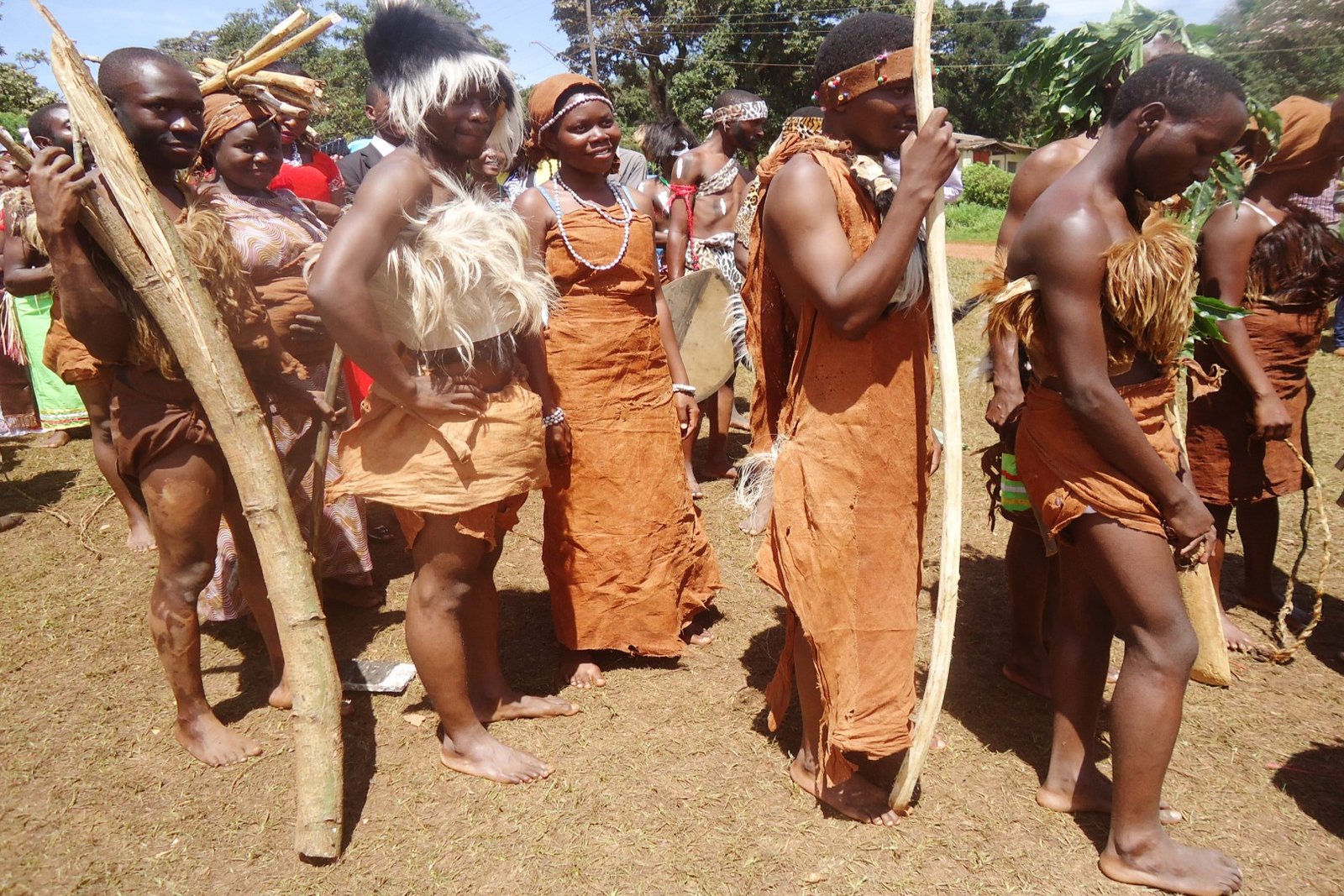
Local People
The Rwenzori region is home to the Bakonzo, a community whose culture, traditions, and spiritual beliefs are deeply tied to the mountains. The peaks are considered sacred, with several cultural sites used for worship and traditional ceremonies.
Visitors can experience local hospitality, learn about traditional farming on steep slopes, and engage with communities that have lived in harmony with the mountains for generations.
Visitors can experience local hospitality, learn about traditional farming on steep slopes, and engage with communities that have lived in harmony with the mountains for generations.
Accommodation
Various accommodation options from luxury lodges to budget-friendly facilities
Luxury Lodges
- • Equator Snow Lodge (upmarket lodge near the Central Circuit)
- • Upscale options in Queen Elizabeth NP for pre/post-trek stays
High end facilities with crater lake views and premium forest locations.
Mid-Range Lodges
- • Hotels in Kasese and Fort Portal
- • Guesthouses near the trailheads
- • Explorer-style lodges outside the park
Comfortable accommodations with good access to park activities.
Budget Options
- • Community-run lodges at Nyakalengija
- • RTS & RMS base hostels
- • Simple mountain shelters on all trekking routes
Affordable options including community run facilities and camping.
Access
Roads
The Rwenzori Mountains are accessible via the Fort Portal–Kasese road, with trailheads branching off towards Kilembe (15 km from Kasese), Mihunga (22 km from the main road), and Katebwa (6 km from Bukurungu Trail junction). The roads are generally well-maintained, making access smooth year-round.
Air
Domestic flights operate from Entebbe or Kajjansi to Kasese Airfield, followed by a short drive to any of the major trailheads.
Climate & When to Visit
Temperature
The mountains are cold and very wet, with daytime temperatures averaging around 10°C and dropping below 0°C at higher altitudes. Rainfall peaks between March–May and August–December, and mist is common even during dry months. Warm layers and waterproof gear are essential.
Best Time
The best climbing conditions occur during the drier months of January and June–July, when trail conditions are more stable and visibility improves.
Important Information
- Peak climbs require technical equipment
- Guides & porters are mandatory for trekking
- Proper acclimatization is essential at higher altitudes
- Waterproof gear and warm layers are required
- Book trekking permits early during peak seasons
Ready to Explore the Mountains of the Moon?
Plan your journey into one of Africa’s most iconic and mystical mountain ranges.