
Kibale Forest National Park
Known as the ‘Primate Capital of the World’, home to 13 primate species and the highest concentration of chimpanzees in Uganda
Park at a Glance
Kibale National Park protects 795km² area, is best known for its number and variety of primates, which include the celebrated chimpanzee (Pan troglodytes). Thirteen primate species have been recorded here, ranging from tropical forest to woodland and savannah on the floor of the Albertine Rift Valley.
Kibale is one of Africa’s foremost research sites for chimpanzees and primates, and has the distinction of supporting the highest number of primate species with research cases taken and sustained with their populations.
Kibale is one of Africa’s foremost research sites for chimpanzees and primates, and has the distinction of supporting the highest number of primate species with research cases taken and sustained with their populations.
795 km²
Total Area
13
Primate Species
372
Bird Species
1993
Established
Wildlife
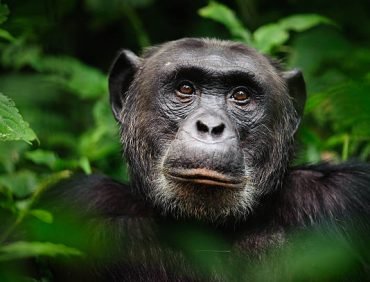
Chimpanzees
Kibale’s star attraction with 13 habituated groups available for tracking
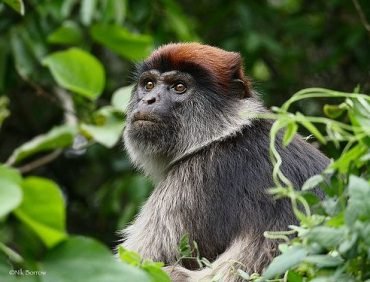
Red Colobus Monkeys
Kibale’s endemic red colobus – found nowhere else in the world
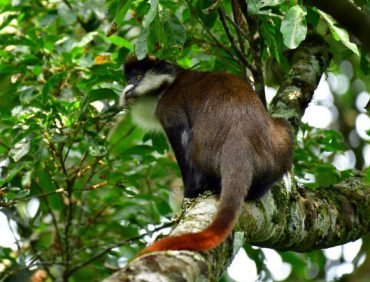
Red-tailed Monkeys
Agile monkeys with distinctive red tails, often in mixed species groups
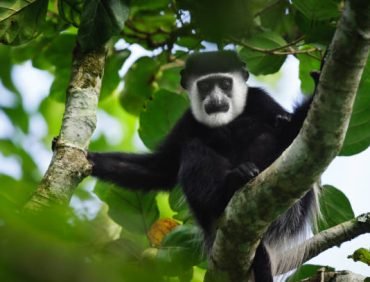
Black and White Colobus monkeys
These social primates are easily identified by their black bodies with white faces, long white tails, and white side stripes.
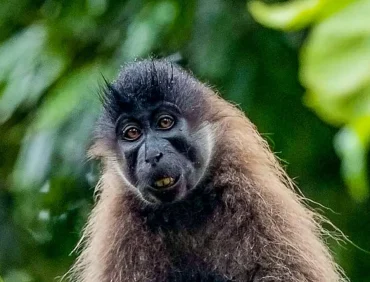
Grey-cheeked Mangabeys
Distinctive white-bearded monkeys living in the forest canopy
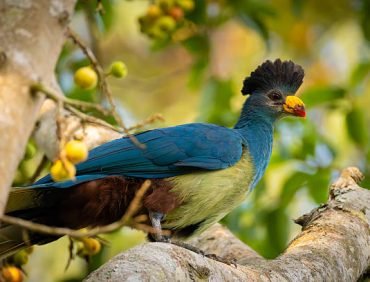
Great Blue Turaco
Known for its vibrant blue and green plumage, a distinctive black crest, and a red-and-yellow beak.
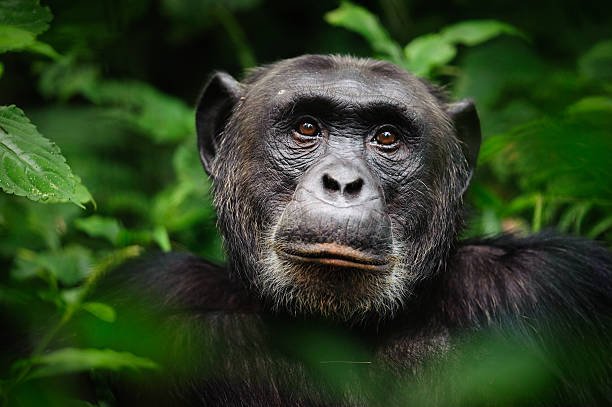
Chimpanzees
Kibale’s star attraction with 13 habituated groups available for tracking
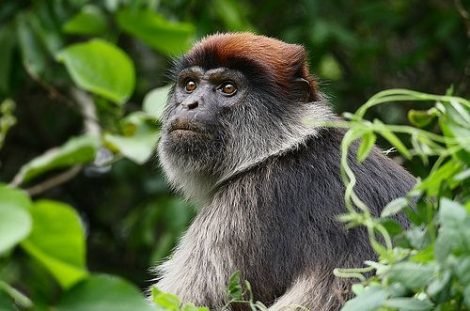
Red Colobus Monkeys
Kibale’s endemic red colobus – found nowhere else in the world
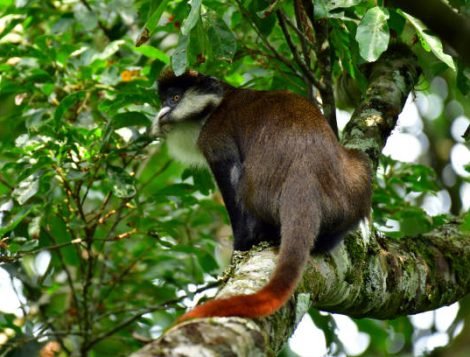
Red-tailed Monkeys
Agile monkeys with distinctive red tails, often in mixed species groups
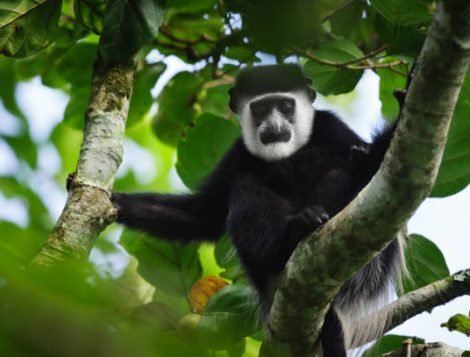
Black and White Colobus monkeys
Easily identified by their black bodies with white faces, long white tails, and white side stripes.
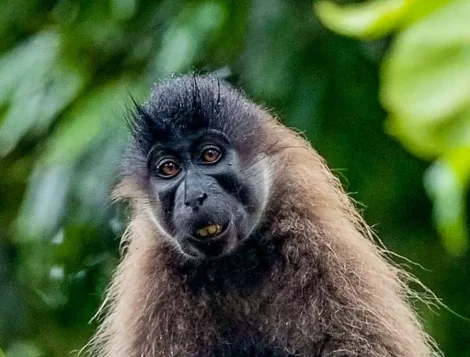
Grey-cheeked Mangabeys
Distinctive white-bearded monkeys living in the forest canopy
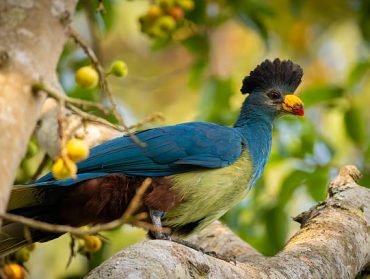
Great Blue Turaco
Known for its vibrant blue and green plumage, a distinctive black crest, and a red-and-yellow beak.
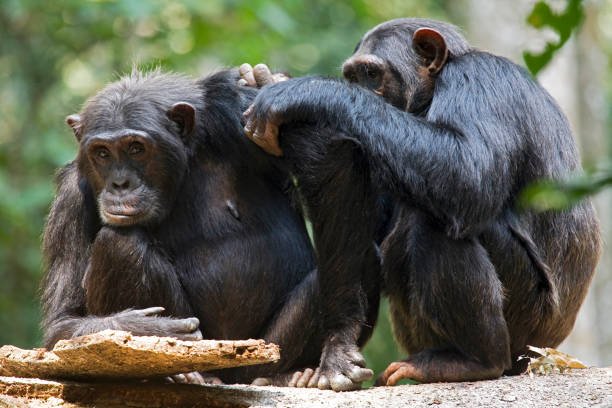
Chimpanzee Tracking
The semi-habituated chimpanzee new groups, the Kanyanchu groups are accustomed to human presence – some have been observed for over 25 years – and habituated chimpanzee community at Kanyanchu Visitor Centre at 08:00, 11:00 and 14:00 and last between 2-4 hours.
Early arrival to allow for registration and briefing is recommended. Contact time with chimpanzees is limited to one hour; group size is restricted to six visitors. Advance booking is essential.
Early arrival to allow for registration and briefing is recommended. Contact time with chimpanzees is limited to one hour; group size is restricted to six visitors. Advance booking is essential.
- 95% success rate for chimpanzee encounters
- Three daily tracking sessions (8:00, 11:00, 14:00)
- Maximum 6 visitors per group
- One hour maximum with chimpanzees
Chimpanzee Habituation Experience (CHEX)
The ultimate chimpanzee experience - spend a full day with researchers and habituators
following chimpanzees from dawn to dusk
- What to Expect
- Follow chimpanzees from their dawn awakening to evening nest-building
- Observe natural behaviors including feeding, grooming, and social interactions
- Learn about chimpanzee research and conservation efforts
- Maximum 4 visitors per experience for intimate encounters
- Important Details
- Duration: 6:00 AM to 7:00 PM (full day)
- Group Size: Maximum 4 visitors
- Fitness Level: Good physical fitness required
- Booking: Advanced booking essential
- What to Bring: Packed lunch, plenty of water, sturdy boots
Activities & Attractions
Chimpanzee Tracking
Track habituated chimpanzee groups in their natural forest habitat. Kibale has the highest success rates for chimpanzee encounters in Uganda.
- 2-4 hours
- Moderate
Primate Walk
Extended forest walks to encounter multiple primate species including red colobus, L’Hoest monkeys, and all other forest primates.
- 3-4 hours
- Easy to Moderate
Chimpanzee Habituation Experience (CHEX)
Full day experience following chimpanzees from dawn to dusk, observing their daily behaviors and social interactions.
- Full day (8-10 hours)
- Challenging
Bird
Watching
Explore Kibale’s rich birdlife with over 372 recorded species including forest specialists and Albertine Rift endemics.
- 2-5 hours
- Easy
Nature Walks
Guided forest walks to explore the diverse ecosystem, medicinal plants, and scenic crater lakes around the park.
- 2-3 hours
- Easy
Cultural Encounters
Visit local communities around Kibale to learn about traditional lifestyles, farming practices, and cultural heritage.
- 3-4 hours
- Easy
Chimpanzee Tracking
Track habituated chimpanzee groups in their natural forest habitat. Kibale has the highest success rates for chimpanzee encounters in Uganda.
- 2-4 hours
- Moderate
Primate Walk
Extended forest walks to encounter multiple primate species including red colobus, L’Hoest monkeys, and all other forest primates.
- 3-4 hours
- Easy to Moderate
Chimpanzee Habituation Experience (CHEX)
Full day experience following chimpanzees from dawn to dusk, observing their daily behaviors and social interactions.
- Full day (8-10 hours)
- Challenging
Bird
Watching
Explore Kibale’s rich birdlife with over 372 recorded species including forest specialists and Albertine Rift endemics.
- 2-5 hours
- Easy
Nature
Walks
Guided forest walks to explore the diverse ecosystem, medicinal plants, and scenic crater lakes around the park.
- 2-3 hours
- Easy
Cultural Encounters
Visit local communities around Kibale to learn about traditional lifestyles, farming practices, and cultural heritage.
- 3-4 hours
- Easy
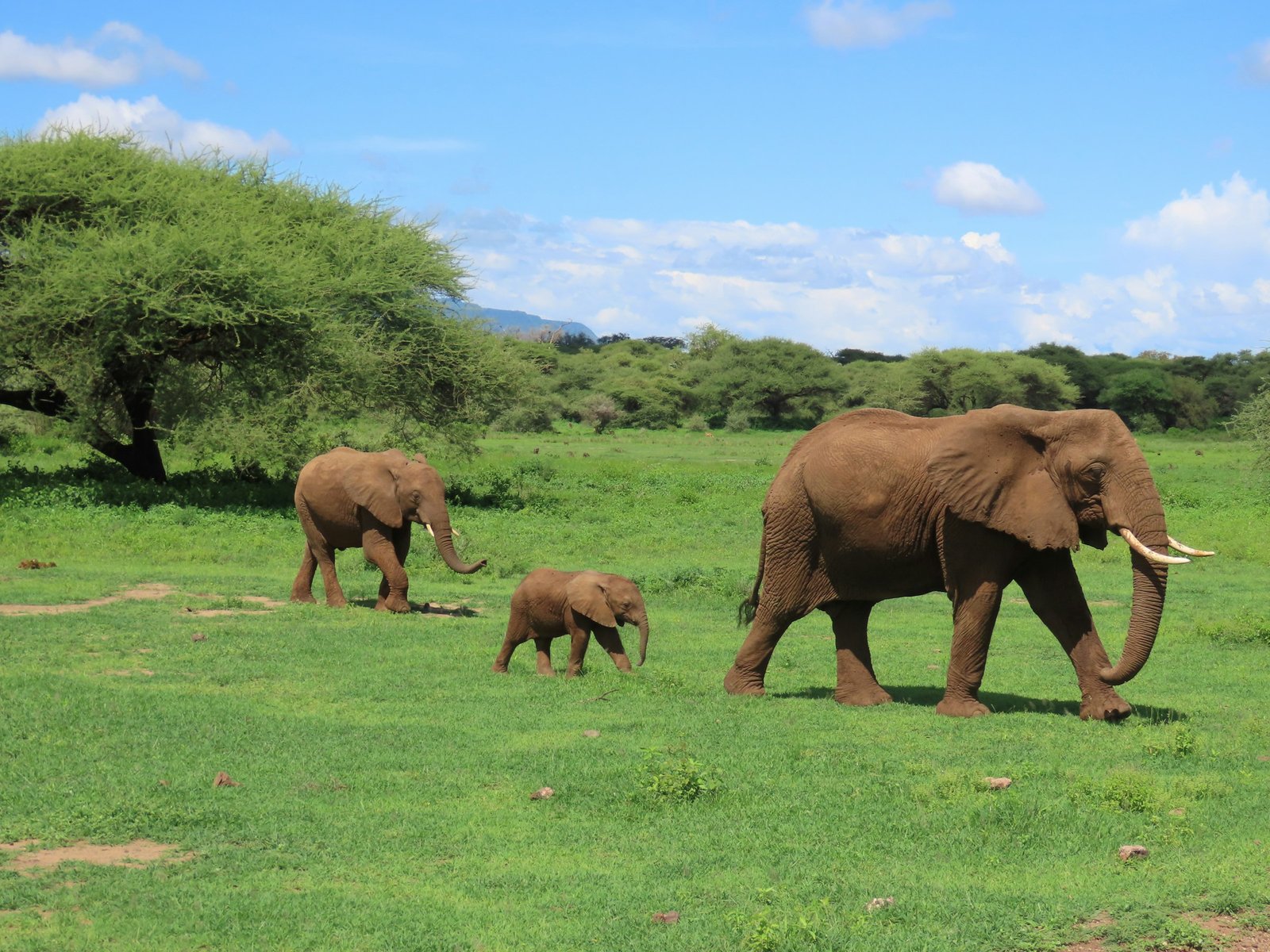
Wildlife & Birdlife
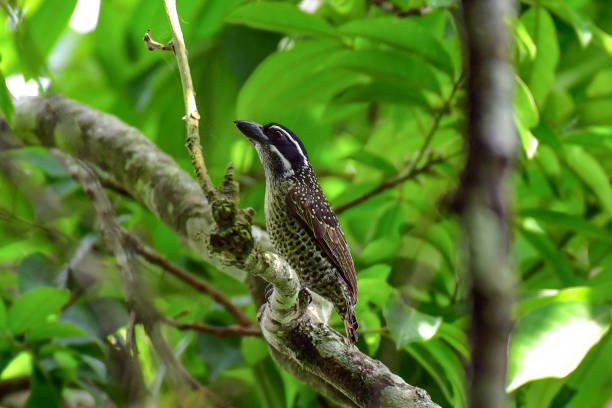
A checklist of 372 forest, grassland and swamp species, including local endemics and Central Africa specials makes clear a popular destination for birders. Forest guides, well trained in bird identification are available, or the forest trails at Kanyanchu and Sebitoli area free.
Other large mammals, such as elephant, buffalo and giant forest hog are present but are rarely seen. Several small antelope species found here include bushbuck and various duiker species.
Other large mammals, such as elephant, buffalo and giant forest hog are present but are rarely seen. Several small antelope species found here include bushbuck and various duiker species.
- 372 bird species recorded
- 60+ mammal species
- Forest elephants and buffalo
- Various antelope and duiker specie
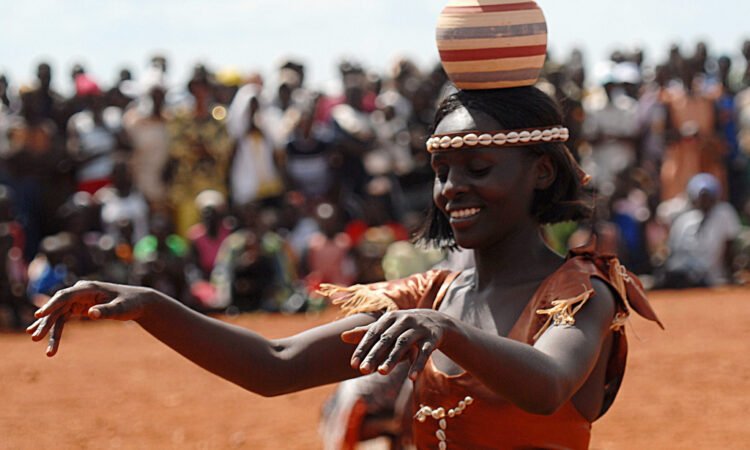
Local People
Kibale lies in one of the most densely populated parts of Uganda. The Batooro and Bakiga migrants from the densely populated south-western part of Uganda. The Batooro are one in particular kingdom.
Agriculture is the main form of land use outside the park with an economy that has absorbed immigrants from other kingdom of Africa’s Great Lakes region. The Omukama (the first king) and the kingdom embody the traditional and cultural values of Batooro while the Bakiga immigrants still preserve Islamic traditions.
Agriculture is the main form of land use outside the park with an economy that has absorbed immigrants from other kingdom of Africa’s Great Lakes region. The Omukama (the first king) and the kingdom embody the traditional and cultural values of Batooro while the Bakiga immigrants still preserve Islamic traditions.
- Batooro Cultural Experiences
- Traditional Agricultural Practices
- Community Tourism Projects
Accommodation
High-End Lodges
- • Kibale lodge
Exclusive retreats with bespoke service and breathtaking experience.
Luxury Lodges
- • Primate Lodge Kiale
- • Kyaninga Lodge
- • Chimpundu lodge
- • Ndali Lodge
High-end facilities with excellent views of the Nile and professional service.
Mid-Range
- • Tureco Treetops Lodge
- • Kibale tourist safari lodge
Comfortable accommodations with good facilities and strategic locations.
Budget Options
- • Kibale forest camp
- • Isunga lodge
Affordable options including camping facilities and basic bandas.
Access
Roads
The main Northern hub at Kanyanchu on the newly tarmacked Fort Portal-Kamwenge road can be reached from Fort Portal in a number of routes, all on surfaced roads including a turn left at the approach to Fort Portal from north. The park can also be reached from the south via Mubende and Kyenjojo Kyenjojo via a tarmacked road, then a right at Kyaka.
Air
Kibale National Park has access to two airstrips, Nyakisharara near Mweya (100km on tarmac) and Kasese (80km private airstrips and dirt roads).
Climate & When to Visit
Temperature
The climate is generally pleasant with a mean annual temperature range of 14 – 27°C. Temperatures are highest on the hot and dry rift valley floor in the south of the park. The northern temperatures of the park near the wettest area.
When to Visit
The park can be visited any time of the year but be prepared for afternoon rain during the wet months.
Activities & Tariffs
- Park Activities
- Park activities should be booked and paid for at UWA Headquarters in Kampala or at the Kibale NP Office at Kanyanchu and with payment can also be made at the Kibale Conservation Area Office (see contact at end).
- Payment & Contact
- Payment accepted in Uganda shillings, US dollars, British pounds, and Euros. Twenty percent of all park fees shared with communities around the park to encourage local support for conservation.